
In the competitive and ever-evolving Australian agricultural landscape, efficiency and innovation are crucial to sustaining productivity and profitability. One often-overlooked yet indispensable tool in modern farming is net wrap—a specialised material designed to enhance the hay and silage baling processes.
Understanding Net Wrap and Its Role in Farming
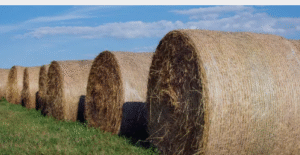 Net wrap is a durable, synthetic mesh used to secure bales of hay, straw, or silage. Unlike traditional twine, net wrap encases the bale in a tight, protective layer, helping to maintain its shape and integrity during handling, storage, and transport. This protective wrapping is especially crucial in Australia’s varied climate, where exposure to sun, wind, and rain can degrade feed quality if bales are poorly protected.
Innovations in Net Wrap Technology
Enhanced Durability and UV Resistance
Modern net wrap products have advanced significantly from their early iterations. Today’s net wrap is engineered for superior strength, elasticity, and UV resistance, making it suitable for Australia’s harsh environmental conditions. Enhanced UV inhibitors in the mesh slow down degradation from sunlight exposure, ensuring bales remain intact and nutrient-rich for extended periods.
Eco-Friendly and Biodegradable Options
With growing environmental awareness, innovation in net wrap also focuses on sustainability. Australian manufacturers and suppliers have introduced biodegradable net wraps that break down naturally after use, reducing plastic waste on farms. These eco-friendly options enable farmers to maintain operational efficiency while minimising their environmental impact.
Customised Net Wrap Solutions
Different crops and farm sizes require specific characteristics in net wrap. Innovations have led to net wrap available in various mesh sizes, thicknesses, and colours, allowing farmers to select products tailored to their specific baling needs. Some net wraps are designed to optimise machinery performance by reducing jams and downtime, thus maximising operational efficiency.
Benefits of Net Wrap in Australian Agriculture
Improved Bale Integrity and Reduced Loss
One of the most significant advantages of net wrap is its ability to maintain bale shape and firmness. It reduces losses during handling and transport compared to traditional twine, which can allow bales to loosen or fall apart. For Australian farmers, particularly those operating large-scale operations or engaging in long-distance transport, this translates into cost savings and reduced feed waste.
Enhanced Feed Quality Preservation
Net wrap helps seal bales more effectively, limiting air exposure and moisture ingress. It is crucial in preventing mould growth and spoilage, especially for silage bales that rely on anaerobic conditions for preservation. Maintaining feed quality ensures livestock receive high-nutrition fodder, which supports better growth rates, milk production, and overall health.
Increased Operational Efficiency
Using net wrap in baling machinery speeds up the wrapping process. The mesh wraps the bale quickly and securely, reducing time and labour costs. Additionally, net wrap’s compatibility with modern balers improves machinery uptime and reduces maintenance interruptions, further optimising farm productivity.
Practical Considerations for Australian Farmers
Choosing the Right Net Wrap
Selecting the correct net wrap is critical for achieving the desired benefits. Factors such as bale size, crop type, climatic conditions, and machinery compatibility should all be considered when making a choice. Australian farmers often consult with suppliers to determine whether a heavier-duty or lightweight net wrap best suits their operational needs.
Machinery and Handling Best Practices
Proper integration of net wrap with baling machinery is essential. Regular maintenance of balers ensures smooth net wrap feeding and reduces the risk of breakage or jams. Farmers should also train operators in best practices for loading and applying net wrap to maximise efficiency and reduce wastage.
Economic Impact and Return on Investment
Though net wrap may carry a higher upfront cost compared to twine, its benefits in preserving feed quality and reducing bale losses offer significant financial returns. Australian farmers report that investing in high-quality net wrap pays off through improved livestock productivity and reduced fodder replacement costs.
Conclusion:
Net wrap has emerged as a vital component in modern Australian farming, contributing significantly to maximising agricultural productivity. Its innovations—ranging from enhanced durability to eco-friendly options—reflect the sector’s commitment to efficiency and sustainability. For farmers, choosing the right net wrap not only protects valuable feed but also drives operational excellence and financial performance.
As Australia’s agriculture continues to face challenges such as climate variability and market pressures, tools like net wrap will remain indispensable in supporting resilient and profitable farming systems.